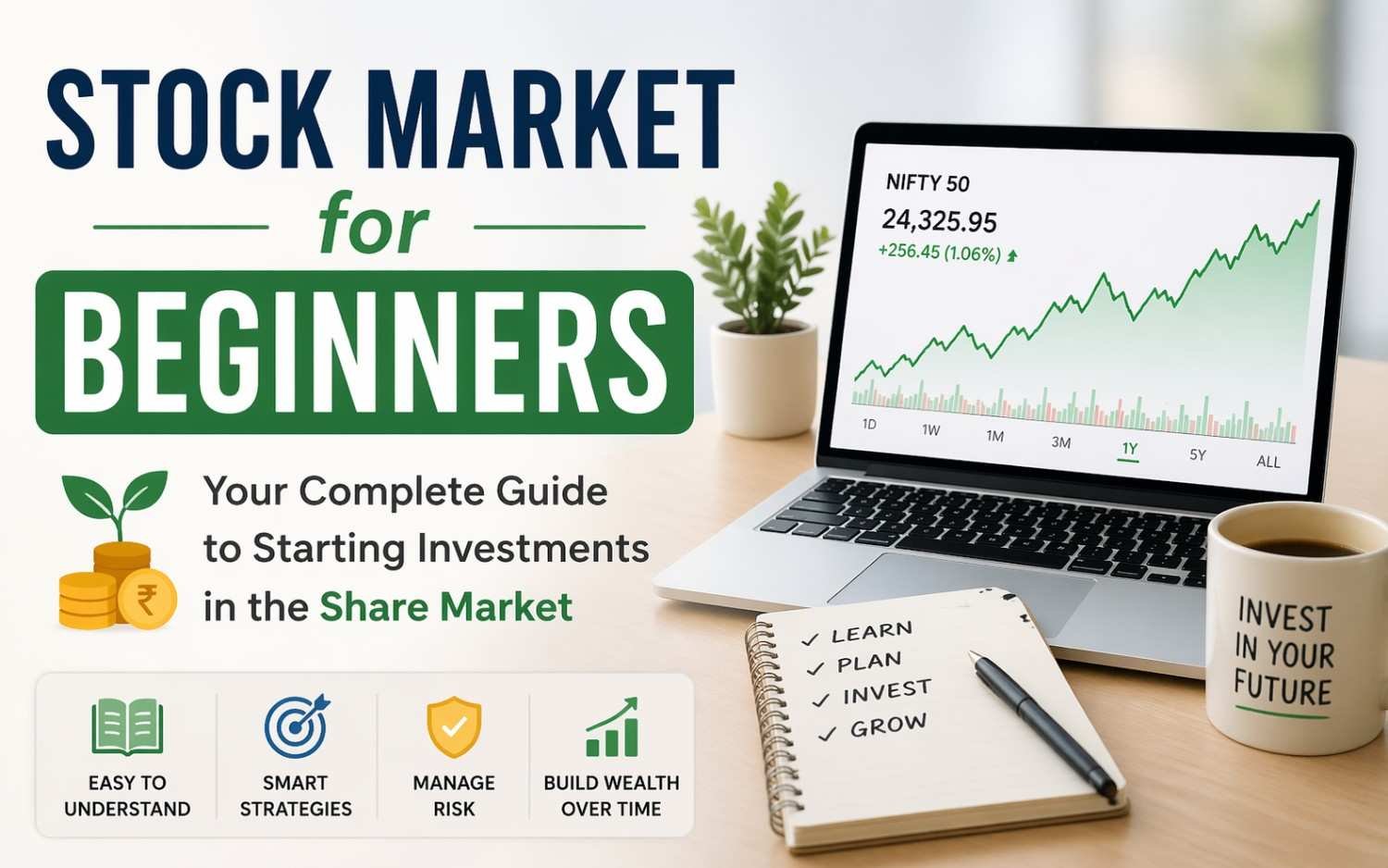
The stock market often feels intimidating for newcomers—full of jargon, risks, and stories of quick gains or sudden losses. But what if it’s actually one of the smartest ways to build long-term wealth? In his massively popular 2020 YouTube video “Stock Market For Beginners | How can Beginners Start Investing in Share Market | Hindi” by Pranjal Kamra, the Finology founder breaks it down simply and practically. This article distills the video’s key lessons into an easy-to-follow English guide, answering the exact questions every beginner asks. Whether you’re a student, salaried professional, or complete newbie, here’s how to get started the right way.
1. Is the Stock Market Risky?
Yes, but it’s not as scary as it sounds. Pranjal explains it like investing in a friend’s or relative’s business: if the company does well, you profit; if it struggles, you could lose money. The key is ownership—when you buy shares, you become a part-owner of real companies.
- Risk exists, but it can be managed through diversification (don’t put everything in one stock—aim for 8–10 solid companies).
- Real-life example: Investing just ₹10,000 in Wipro 40 years ago would have grown to over ₹700 crore today. That’s the power of compounding when you back strong businesses.
The video stresses: treat it like a business investment, not a lottery ticket.
2. How Much Money Can You Make?
Expect 18–20% average annual returns over the long term (higher is a bonus). That’s far better than fixed deposits (which take 11–12 years to double your money) or gold.
- At 15–18% returns with consistent investing, even small amounts grow dramatically.
- Pranjal shares a simple SIP (Systematic Investment Plan) example: Investing ₹1,000 per month, increasing it by 15% every year at 15% returns, could turn into ₹1 crore in 25 years.
The message? Patience beats greed. The stock market rewards those who stay invested for years, not days.
3. How Much Money Do You Need to Start?
You don’t need lakhs or crores. Beginners can start with as little as ₹1,000 per month through SIPs. The video highlights modern platforms with zero or minimal brokerage fees, making it accessible to everyone.
- No huge lump sum required—start small and increase as your income grows.
- Minimum investments can be as low as ₹300–500 on many platforms.
4. How to Open a Trading & Demat Account
It’s easier than ordering food online! You need just three documents:
- Aadhaar Card
- PAN Card
- Bank Account
Everything is 100% online now. Pranjal recommends discount brokers like Zerodha—account opening takes 3–4 days with zero paperwork and very low fees. Once your Demat (for holding shares electronically) and Trading account are ready, you can buy and sell instantly.
5. Is It a Casino?
No! This is one of the biggest myths. The bad reputation comes from people treating it like gambling—chasing penny stocks, expecting overnight riches, or buying without research.
- Real investing = studying company business models, management quality, and long-term potential.
- Property and gold investors happily wait years for growth, but stock investors often panic and sell early. Change your mindset: this is ownership in great businesses, not a casino.
6. Can Non-Finance People Succeed?
Absolutely! Pranjal shares inspiring examples of 10-year-old kids who picked better stocks than many Chartered Accountants simply by using common sense and customer experience.
- You don’t need a commerce degree. Everyday knowledge works wonders: “Which brands do I love? Which companies are growing?”
- Non-finance backgrounds often give an edge because they focus on real-world products and services rather than complex charts.
7. Why Do Share Prices Go Up and Down?
It’s simple economics—supply and demand. When more people want to buy a company’s shares (because the business is growing), prices rise. When they sell (due to poor performance or market panic), prices fall.
- Share prices reflect the collective opinion of millions of investors about the company’s future.
- Daily fluctuations are normal; focus on the underlying business, not short-term noise.
8. How to Make a Career in the Stock Market
Want to go pro? The video recommends starting with solid books:
- Investonomy (by Pranjal Kamra himself)
- Rich Dad Poor Dad
- Learn to Earn by Peter Lynch
- The Education of a Value Investor by Guy Spier
Pranjal also promotes Finology’s BSE-certified value investing courses and free resources like the “My First Investment” report for safe starting stocks.
Final Takeaways & Next Steps
The stock market isn’t just for the rich or finance experts—it’s for anyone willing to learn and stay disciplined. Pranjal Kamra’s core message: Build a strong foundation, invest consistently, research companies like you would a business, and let compounding do the heavy lifting.
Ready to begin?
- Watch the full Hindi video for the complete experience: YouTube Link
- Start small, learn daily, and think long-term.
The earlier you start, the stronger your financial future becomes. As Pranjal says, “If the base is good, then the building will be well made.”
Happy investing! 🚀